

Education Center & Rain Garden
Community learning, sustainable landscaping, and environmental stewardship
Education Center
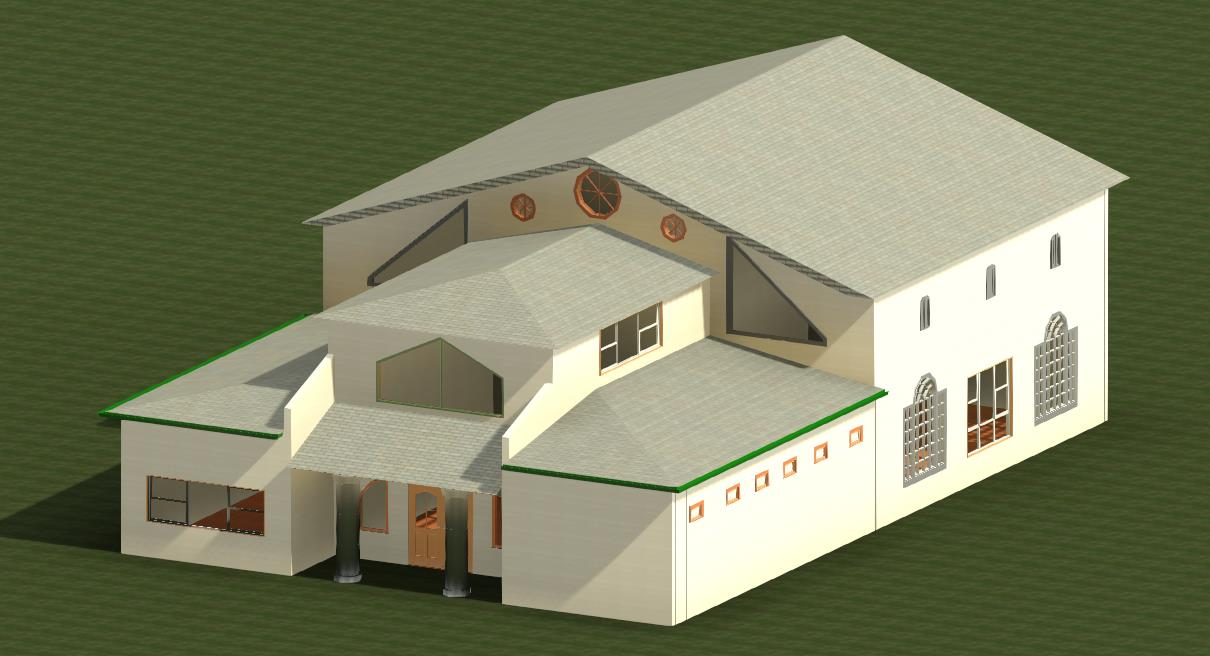
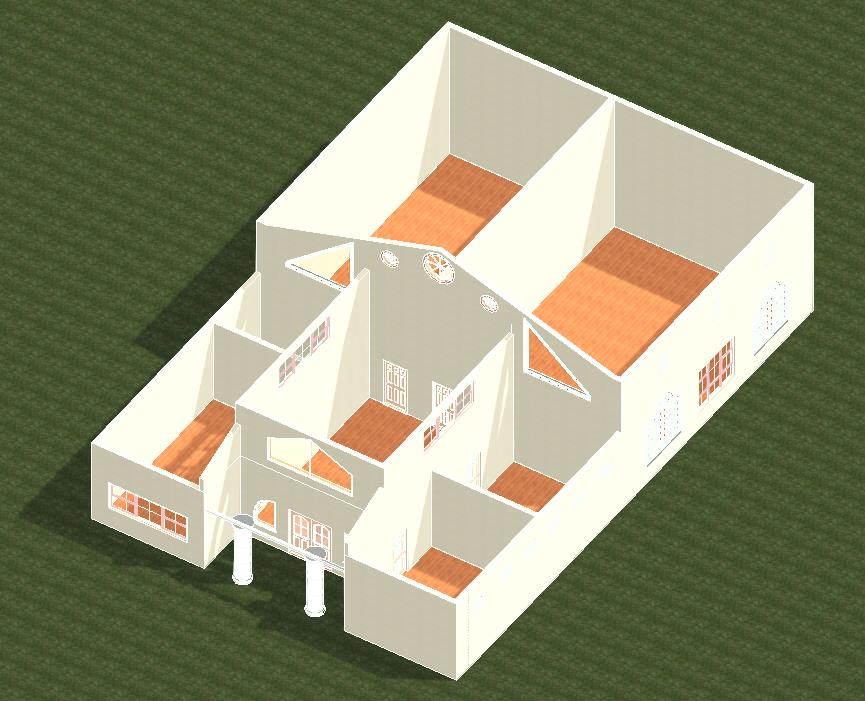
Located near the front of the project site, the Education Center is a multi-purpose facility designed to serve the Rubidoux community for decades. It can host tours of the treatment facility, workshops on water conservation, community gatherings, and technical training sessions.
Multi-Purpose Room
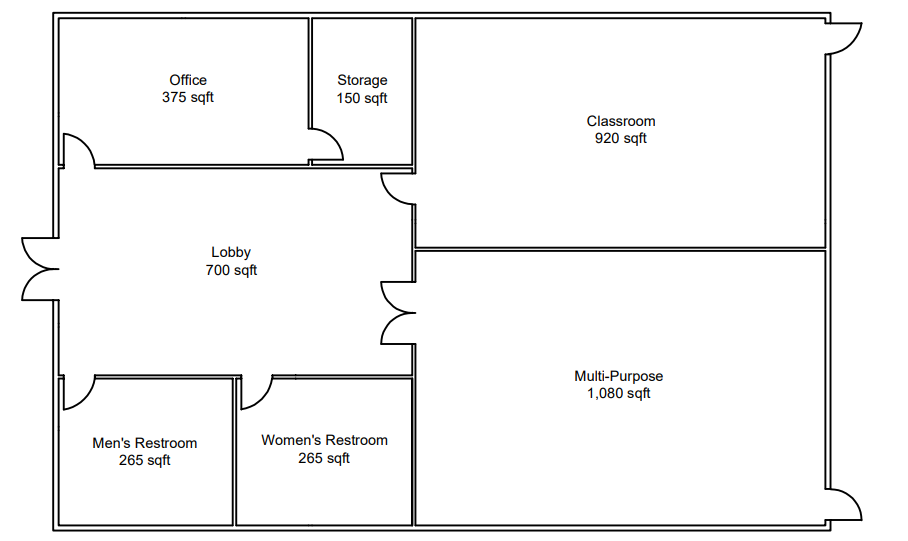
Flexible space with divider wall, adaptable for classes, meetings, and events. Available for community rental.
Educational Signage
Lobby displays covering water sources, the treatment process, sustainability practices, and conservation tips.
Treatment Viewing
Interpretive features and viewing areas let visitors see the RO treatment process in action during facility tours.
Facility Rooms
Lobby, office, multipurpose room, restrooms, and storage form a complete facility for ongoing operations and public use.
Solar Energy
Solar panels are planned for the RO building roof, with the structural design already including a 2 psf allowance for the additional load. Jurupa Valley averages approximately 285 hours of sunlight per month during peak summer, making solar a practical offset for the facility's energy consumption.
Demonstration Rain Garden
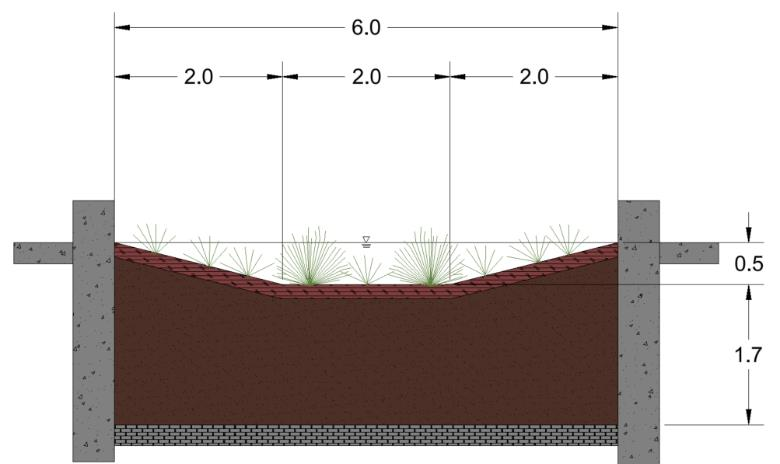
A shallow, vegetated basin with engineered soil media designed to capture and filter stormwater. The rain garden borders two sides of the Education Center and extends along the street, serving as both a functional stormwater management feature and an educational demonstration of sustainable landscaping. Senior project Figure 26 documents the bioretention facility design with dimensions in feet.
How It Works
Rainwater flows into the garden through 1-foot-wide curb cuts placed every 10 feet around the facility perimeter. The water slowly percolates through layered soil media and a subdrain, filtering pollutants naturally before reaching the groundwater. The garden handles approximately 33% of the site's stormwater flows.
Native Plants
Drought-tolerant species native to Southern California were selected to bloom at different times of year, providing year-round color and habitat for pollinators while requiring minimal water.
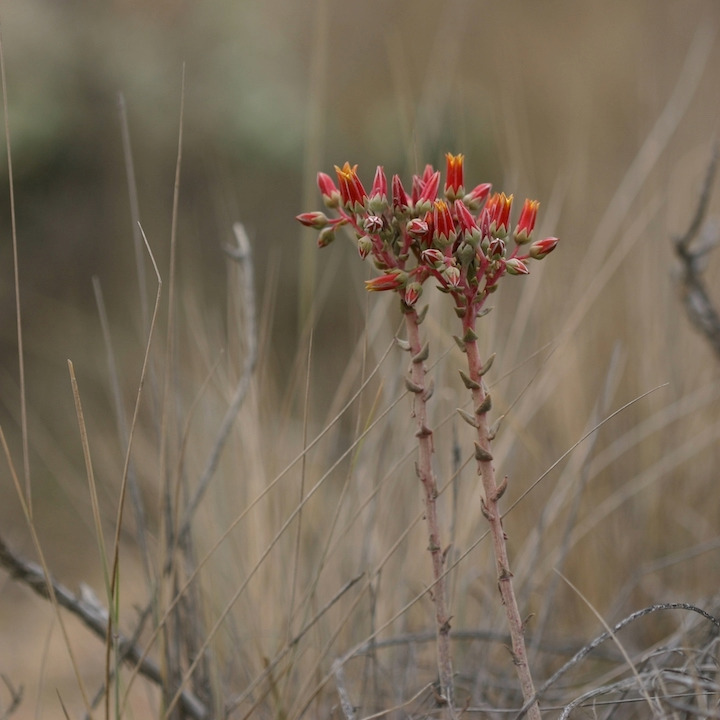
Lanceleaf Liveforever
Dudleya lanceolata
Succulent rosettes, drought-tolerant
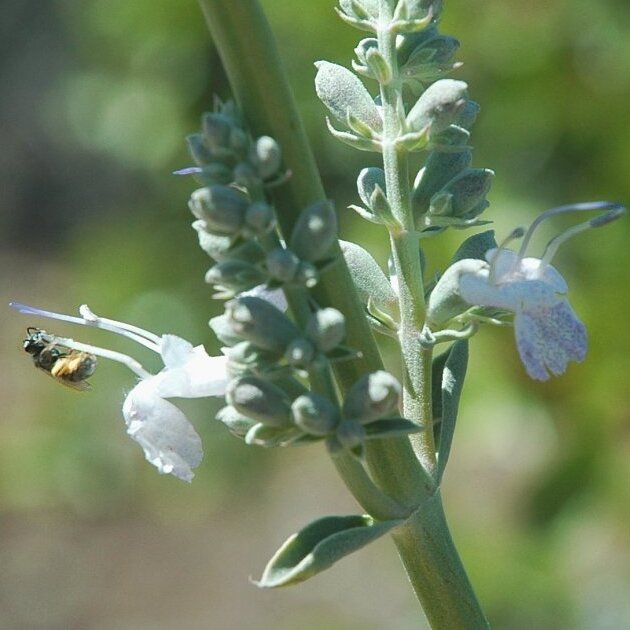
White Sage
Salvia apiana
Silver foliage, spring blooms, pollinator favorite
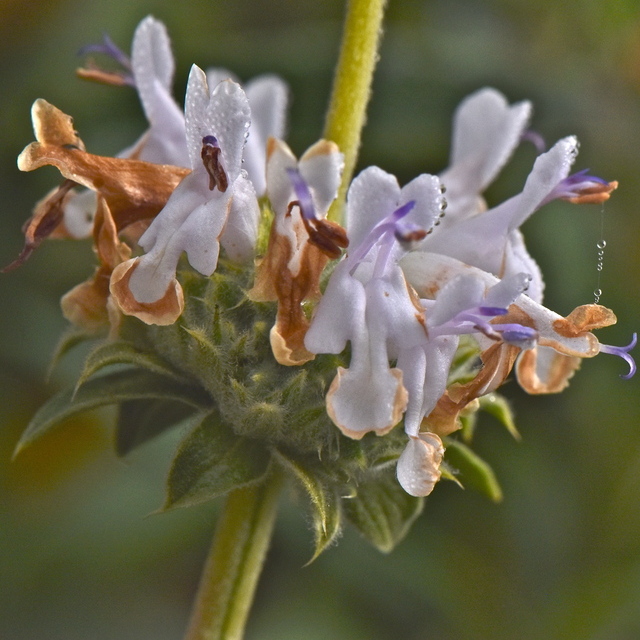
Black Sage
Salvia mellifera
Dark leaves, attracts bees and hummingbirds
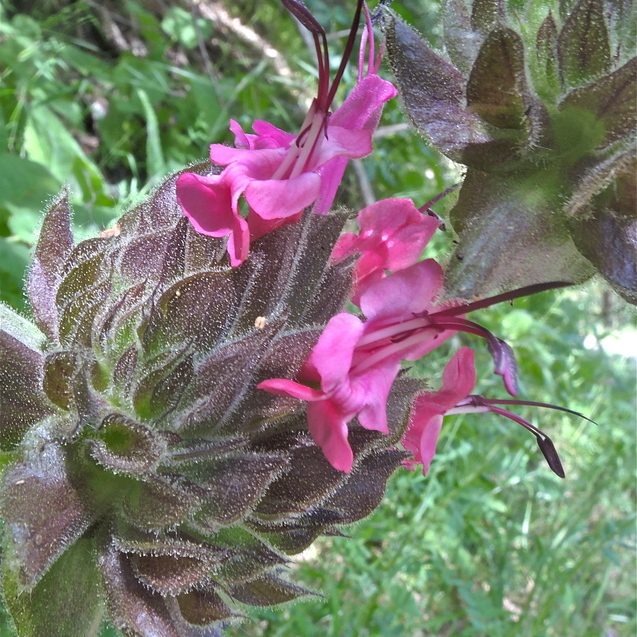
Hummingbird Sage
Salvia spathacea
Magenta flowers, shade-tolerant ground cover
Why Native Plants?
- Provide habitat for native pollinators
- Require minimal supplemental irrigation
- Demonstrate sustainable landscaping to visitors
- Add year-round visual interest to the site